Flipping Friday
Staking, Interest and Sovereign Controls

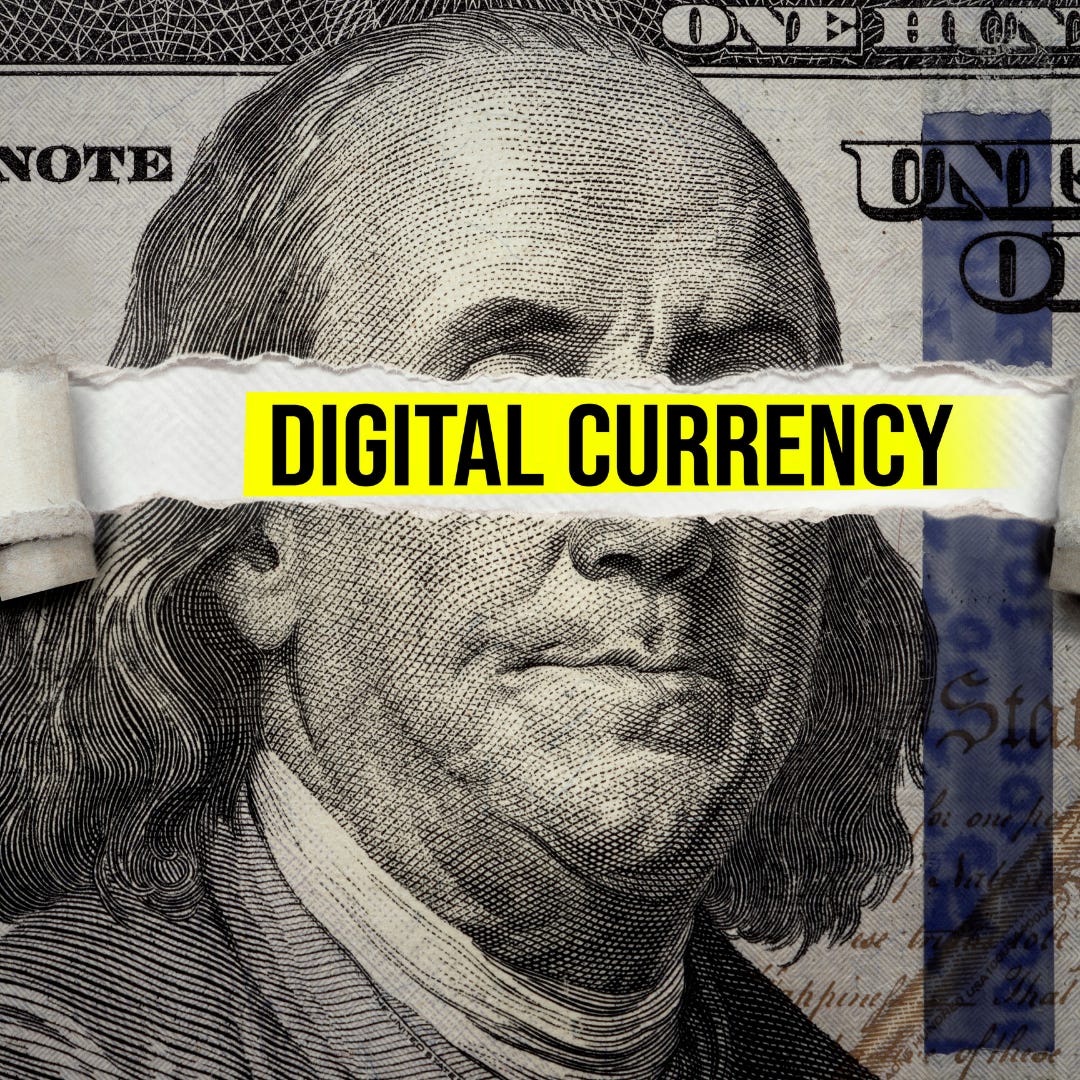
Flipping Friday is centered on 3 key concepts I select that I can see are being discussed on forums, in the news and at government levels. The upshot is that a trend can be observed and offer opportunity for community discussion. Feel free to join me on Flipping Friday and chat about the changing digital landscape.
Crypto Power - Will it undermine interest rates?
As the popularity of digital currencies such as bitcoin increase government organisations and regulated banking systems have less control. The other side of this is that more and more people begin to feel satisfied with other means of creating assets. This points to long-term implications for the way we perceive sovereign wealth and interest rates.
In Australian, the Reserve Bank has acknowledged the potential implications for central banks from the rise of cryptocurrencies.
“Widespread substitution away from the domestic currency could threaten a country’s monetary sovereignty and reduce the ability of the central bank to influence domestic monetary conditions (including via changes to the structure of interest rates and the exchange rate) and to act as the lender of last resort if required,” the RBA’s head of payments, Tony Richards, noted in a September 2020 research paper.
Can crypto currencies point to the erosion of monetary sovereignty ? Currently, more than 50 central banks are exploring introducing their own digital currencies.
What are the consequences of Money Printing?
It is ironic that the unconventional monetary policies of central banks, such as money printing and talk of possible negative interest rates, is actually playing into the hands of the DeFi community.
Thoughts?
What is China planning with a Digital Currency?
China is currently looking to create a central banking decentralised currency. This could mean that there would be greater ability to monitor spending more closely.
It would also offer greater powers to Chinese intelligence organisations.
Think about this. If you travel to China, you may be requested to use their digital currency to transact locally. Equally, Chinese citizens may be forced to use the Chinese digital currency overseas.
What if exporters to China are required to conduct transactions in China’s digital currency?
What does this mean for sovereign wealth and control of monetary policy?
How is the World Order of US economic dominance changing?
The US has held economic controls since WWII - borrowing easily and cheaply. It has also had the power to to impose painful financial sanctions on foreign adversaries such as China and Russia.
But according to the International Monetary Fund, the US dollar reserves held by central banks. Is the dominance of the US dollar under threat? Will digital money pose uncertainty for global finance?